



In this episode, Allie explores the surge in medical tourism, a trend driven by factors like limited access to healthcare and soaring costs in the U.S. Renowned experts Elizabeth Ziemba and David Vequist shed light on the risks and benefits, stressing the need for informed decisions and comprehensive travel insurance. Kurt Schaefer shares his firsthand experience, underscoring the potential advantages of seeking care abroad. Stay tuned for crucial insights and practical tips on navigating this evolving landscape.
Resources for Listeners
- The CDC’s Yellow Book on Medical Tourism
- How to Prepare for Medical Tourism
- What to Pack for a Medical Tourism Trip
- More about Travel Insurance
- A list of medical tourism providers and facilitators
Guest Links
- Elizabeth:
- Website: Medical Tourism Training
- Twitter: @MedTourTraining
- LinkedIn: Elizabeth Ziemba
- LinkedIn: Medical Tourism Training
- David:
- Website: Center for Medical Tourism Research
- LinkedIn: Dr. David Vequist IV
- LinkedIn: Center for Medical Tourism Research
- Kurt:
- Website: Medical Tourism Mexico
- Instagram: @kurtgsu
- Podcast: MedTalk
About Elizabeth Ziemba
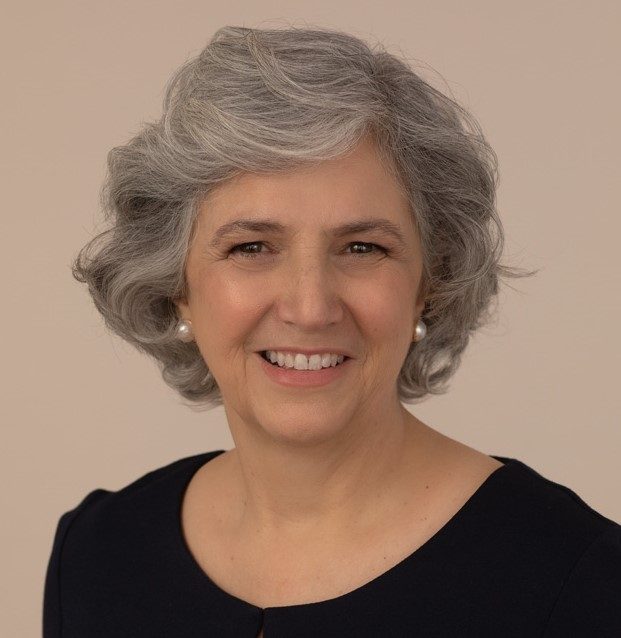
With more than 20 years of experience, Elizabeth Ziemba is a pioneer in health travel as President & Founder of Medical Tourism Training, focused on expanding access to quality healthcare services around the world. She delivers consulting and training services for clients in the wellness, health, medical, and accessible travel sectors. Ms. Ziemba and her team deliver innovative, practical, evidence-based solutions to hospitals, clinics, governments, professional associations, and other organizations including strategic plans and marketing plans for business development and economic growth. She has a law degree as well as a master’s degree in international public health. Elizabeth promotes excellence in healthcare quality through accreditation of hospitals and clinics as Regional Director for Temos International Healthcare Accreditation covering the US, Caribbean, Mexico, and Latin America.
About Dr. David Vequist IV
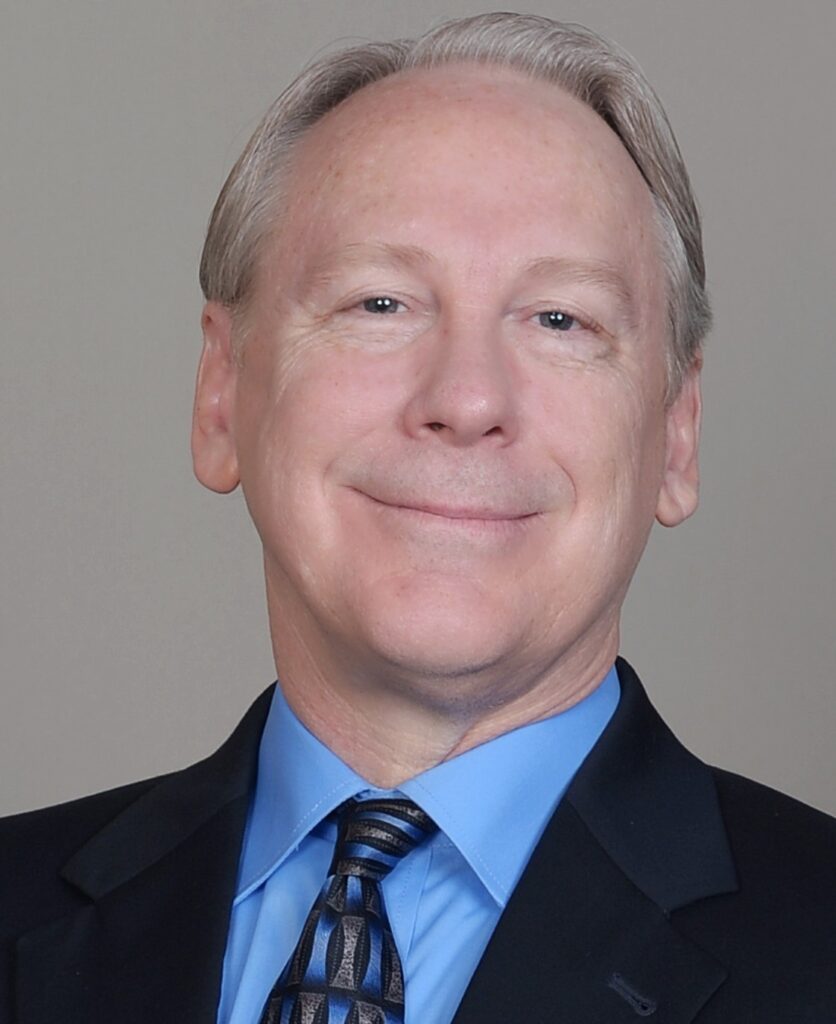
David G. Vequist IV, Ph.D. the founder and Director of the Center for Medical Tourism Research – the premier academic Medical Tourism research institute. Dr. Vequist is also a professor and tenured faculty of Management in the H-E-B School of Business & Administration at the University of the Incarnate Word. In his previous career, Dr. Vequist was an executive at the Methodist Healthcare System, a multi-billion-dollar healthcare provider. He received his Ph.D. and Masters from the University of Tulsa and his B.S. from Northern Arizona University. Dr. Vequist is a well-known speaker, presenter, and futurist on subjects such as medical tourism, training, and human resources and the author of many articles, books, and chapters.
Episode Sources
- Article that references the size of the medical tourism industry and the common types of procedures.
- Article predicting medical tourism will quadruple by 2027
- The CDC research study from 2022 that Dr. Vequist references.
- Study about percentages of adverse events in hospitals in the U.S.
- Medical Tourism Benefits and Advantages
- Improving Medical Tourism Services through Human Behaviour and Cultural Competence
- Government roles in regulating medical tourism: evidence from Guatemala
- Putting a Stop to Medical Tourism
- Medical Tourism: Travel to Another Country for Medical Care
- Medical Tourism: Treatments, Markets and Health System Implications: A scoping review
Blog Post
Why Invest in Medical Tourism?
In the world of healthcare, the scarcity of providers and soaring costs are pushing many individuals to consider a different path – international medical travel. This option isn’t just an alternative; for some, it’s a necessity to access the care they need when they need it, and at a price they can afford.
Medical Tourism Explained
Read More
Medical tourism is gaining momentum. Millions of Americans seek treatment abroad, including dental care, fertility procedures, organ transplants, dermatology, and various surgeries. This growing industry is projected to quadruple in size by 2027.
However, medical tourism isn’t about leisure. It’s often a last resort for those who’ve exhausted local healthcare options. It does come with significant risks, including variations in care quality, travel complications, legal concerns, and issues like follow-up care, accommodations, and communication challenges.
Who Seeks Medical Tourism
Patients from various income levels are seeking medical tourism. Those with disposable income opt for high-quality care abroad, while lower-income individuals also explore international options, often traveling to nearby countries.
Younger generations, particularly millennials and Gen Z, are more inclined to seek healthcare abroad, combining medical care with cultural experiences.
What to Expect as a Medical Tourist
For those considering medical tourism, be prepared. Healthcare is inherently risky, and adding international travel raises the stakes.
Here are our top tips:
- Work with qualified healthcare providers who specialize in international patient services or collaborate with medical travel coordinators.
- Assess if medical tourism is the right decision for you. Consider the quality of care and the entire process, not just the trip.
- Understand the legal aspects; some destinations have limited malpractice protections. Ensure you have suitable travel insurance that covers evacuation and repatriation.
- Prepare yourself for a serious medical journey, leaving the “tourism” part aside.
Why People Choose Medical Tourism
One significant reason for the growth of medical tourism is the affordability of healthcare in other countries. As we’ve covered extensively in The Hidden Costs of Health, In the US, where healthcare is expensive and often inaccessible for many, traveling for care becomes a viable option.
The availability of information and affordable airfares have also contributed to the rise of medical tourism, which now focuses more on complex medical care, like cancer treatment and orthopedic surgery.
How to Reduce Risks as a Medical Tourist
Mitigating risks as a medical tourist is crucial, so if you’re contemplating it, please consider the following:
- Consult with your provider abroad at least 4-6 weeks before the trip.
- Purchase international health insurance covering medical evacuation.
- Bring copies of medical records and a travel health kit.
- Arrange for follow-up care both abroad and at home.
- Consider language barriers and hire a trusted translator if needed.
- Promote accreditation and ethical practices among medical tourism providers.
Medical Tourism vs. Healthcare Reform
Medical tourism serves as a temporary solution to healthcare challenges in the US. The ultimate goal should be affordable and accessible healthcare for all. By improving healthcare within national borders, we can make medical tourism a choice rather than a necessity.
In the meantime, as the medical tourism industry grows, it’s crucial to educate and protect patients.
For more resources and terms, check out our other episodes and blog posts as well as the resources below:
Resources:
- The CDC’s Guide to Medical Tourism
- Medical Tourism is a Symptom of our Broken American Healthcare System
- Medical Tourism Association
Read Less
Transcript
[00:00:00] [Music]
[00:00:03] David: We have kind of a perfect storm brewing when it comes to healthcare and utilization. And quite frankly, we don’t have enough providers. All of this is leading to this amazing situation where for many people traveling internationally for healthcare may be not only an alternative, but possibly a more necessary alternative to get access to what they want, when they want, at the price they want it.
[00:00:31] Elizabeth: International medical travel looks like it’s going to get more serious. There’ll be more options for consumers, and that means that consumers have to just continue to get smarter and smarter and smarter.
Read More
[00:00:48] Allie: You stand at the precipice of a journey that will change your life forever. With your bags packed and your passport in hand, you are all ready to jet set off to a foreign country. As you head to the airport, there’s a mix of excitement and nerves, because this is not your average getaway. This trip isn’t for leisure or spontaneous adventure, it’s for a medical procedure.
[00:01:19] After months of seeking out affordable options for an elective surgery in the United States to no avail, you began researching medical tourism, an industry that has become increasingly popular over the last few years. You’ve done your research and found yourself a reputable doctor abroad, someone who specializes in the exact treatment you need.
[00:01:42] And why not make the most of this wild opportunity, right? Once you’re on the road to recovery, you’ve got your sights set on exploring your surroundings. After all, who said healing had to be all hospital gowns and white walls?
[00:01:59] Hello and welcome to The Hidden Costs of Health. In this show, we’re exploring the burden of medical expenses in this country, and how a health event can quickly spiral into financial toxicity.
[00:02:12] I’m Allie Sandler, a producer for Empowered Us.
[00:02:18] [Music Ends]
[00:02:19] Allie: According to the CDC, medical tourism is a worldwide, multibillion dollar market that continues to grow. In fact, millions of U.S. residents travel internationally for medical care each year. Medical tourists pursue many different types of treatment, including dental care, fertility procedures like IVF, organ and tissue transplants, dermatology and various forms of surgery, including bariatric and cosmetic surgery.
[00:02:51] The medical tourism industry is continuing to grow. It’s predicted that by 2027, it will quadruple in size. Now, saving money on medical treatments is definitely a plus, but traveling for medical care is not for recreation or fun. It’s often a desperate measure for those who have exhausted options for receiving and affording care in the United States.
[00:03:18] And comes with significant risks. These include variations in the quality of care, complications from travel and surgery, lack of access to patient records, legal concerns, and long-term issues such as follow-up care and the cost of accommodations. Infections and communication challenges can also pose significant concerns.
[00:03:44] So, [Music] what should you expect if you’re considering becoming a medical tourist yourself?
[00:03:50] Elizabeth: My name is Elizabeth Ziemba. I’m the president and founder of Medical Tourism Training.
[00:03:57] Allie: Medical Tourism Training is a consulting and training organization that primarily works with hospitals, clinics, and governments to be able to serve international medical patients, ensuring high quality care and a positive patient experience.
[00:04:13] [Music Ends]
[00:04:13] Elizabeth: Well, first of all, for a large segment of the American population, they have either limited or almost no access to healthcare services where they live. So, we know that in the United States, there are approximately 30 million people who do not have insurance. So, anything that, any healthcare that they need is going to have to be paid for out of pocket.
[00:04:41] And we also know that the United States healthcare system is two and a half times more expensive than the next most expensive country in the world. Healthcare becomes unaffordable for many, many people. We know that there are shortages of healthcare personnel in the United States, whether it’s doctors, nurses, physical therapists, dentists, other healthcare providers.
[00:05:09] There is far more demand than there is availability for people. Certainly, the availability of information, people sharing stories about traveling to different places and then traveling to different places for different kinds of healthcare or medical services. So, that’s certainly one part of it. Affordable airfares – we certainly saw that 20, 25 years ago, so more people could afford to travel to different destinations, not only for pleasure or for business, but also to look for healthcare services.
[00:05:44] Really in the last 20 years, the sector has changed, to look at much more focused on complex medical care. So, we’re talking about cancer treatment. We’re talking about complex orthopedic care, neurological disorders, certainly pediatric services. Many other types of complex care that, where there’s no tourism part of it, it’s very serious. It’s all about the medical, it’s all about the recovery. So, it really has changed quite a bit.
[00:06:21] Allie: Naturally, if you’re traveling for care, there’s risk. From your perspective what are some of the ways to mitigate these risks?
[00:06:28] Elizabeth: Well first of all, healthcare is a high-risk industry service, and adding the travel component to it, it adds another level of risk. So, even if you’re going on vacation and you’re getting on a plane, there are some risks that can of course be modified or can be minimized.
[00:06:49] Part of what consumers can do to help themselves is to work with qualified healthcare providers that either offer international patient services through their own departments, or work with individuals who are called, typically they’re called facilitators or medical travel coordinators, who are skilled and knowledgeable and can help consumers move through this process about do I wanna travel? Is it a good decision for me?
[00:07:21] Allie: What about the legal aspects of medical care, specifically malpractice and safety protections if something goes wrong?
[00:07:28] Elizabeth: So, if there is an issue with the service that’s provided outside of the home country, what will happen to that patient? Many destinations do not have malpractice systems the way we think of them, especially in the United States. There may be restrictions on suing for malpractice. It certainly could become a very expensive venture to try to sue a provider in another country if something goes wrong.
[00:07:59] There’s the more practical aspect of it, how do I get back home if something goes wrong? So, having the right kind of travel insurance, where there’s coverage for evacuation. There’s coverage for repatriation. These are two terms that people should ask about when they’re looking at securing travel insurance, to understand that they have that coverage in case something really goes wrong.
[00:08:30] Consumers themselves need to take these kinds of trips and this kind of search for medical treatment very, very seriously. So, I would leave the tourism part off and really focus on [Music] the medical.
[00:08:47] Allie: After speaking with Elizabeth, I wanted to learn more about the stigmas and American outlook, specifically on seeking medical care abroad. Do the costs of seeking care in another country actually outweigh the risks?
[00:09:01] David: My name is David Vequist. I am the founder and Director of the Center for Medical Tourism Research, which is an academic research center focused on the act of people seeking healthcare beyond borders.
[00:09:19] [Music Ends]
[00:09:19] Allie: So, when people are seeking care abroad, are most only going for medical care? Or are some engaging in activities as well?
[00:09:27] David: Based on our research and others that we’ve found in surveys, that about 70% of the people that are traveling for healthcare also plan to engage in some form of tourism at the location that they go to. Meaning that while they’re there, they’re gonna try local food, they’re gonna take in local sites, they’re gonna engage with local culture.
[00:09:51] They’re truly interested in making this an experiential journey, particularly with the millennial and Gen Z population, in terms of liking experiences more so than say, objects or products. To what we regard as medical tourism, it’s a continuum of these health seeking behaviors.
[00:10:14] Allie: So, let’s talk about some of the social stigmas around seeking medical care abroad, specifically from the lens of American pride in the medical system.
[00:10:22] David: So, Americans in general tend to be very provincial. Many studies have shown this, meaning that they tend to believe that most of the good things that they need are in the United States.
[00:10:33] However, in the United States, globalization has taken root like it has in most countries around the world. And I can go down to my local grocery store and find French wines, or I can go to a local car dealership and find Japanese or German cars. It’s only recently becoming more influential in the United States in the healthcare industry, meaning that people are looking to travel internationally or utilize health resources, and that could be med tech or pharmaceuticals, that were produced internationally.
[00:11:06] The rate of people traveling, according to government figures, as well as even numbers given by those CDC researchers in an academic paper that they presented back in 2022, it looks like it’s about 1 to 1.5% of Americans travel for healthcare. Now for Europeans, to use another standard, about 4% of all Europeans have said that they traveled outside their country for healthcare in another country.
[00:11:37] Now, one of the reasons for that is because also medical tourism gets a little bit of a bad rap here in the United States as you refer to. And if you go out and look at the media, you’re gonna see that most media publications only focus on medical tourism primarily when something bad or tragic happens. The old expression, in the news is if it bleeds, it leads. And so, that seems to be the case.
[00:12:03] In statistics, interestingly, when the CDC researchers did their sample, they asked an interesting question. It was a self-report. which is not a terrific measure of this, but they asked how many people had bad outcomes based on their international travel, and they found about 5%.
[00:12:22] So, if you look at combination numbers in the United States of hospital acquired infections, falls, adverse events of a variety of types, they range anywhere in the United States, say 3 to 7%. So, we’re looking at a similar rate overall, about 5% of people getting bad outcomes for international travel, according to the CDC researchers themselves.
[00:12:48] Allie: From your research, what types of people are seeking this medical care? Is there a certain income level that seeks international care the most?
[00:12:57] David: There tends to be a larger than normal number of people that are traveling that are from the upper income levels. People that have greater amounts of disposable income appear to travel for healthcare, both domestically and internationally, more frequently than people with middle income.
[00:13:18] And that should be expected, right? You know, if you have a little bit more money and you’re thinking, okay, I want the best healthcare. And so, what we see among people that are fluent, they tend to travel for healthcare, particularly to get access to very high quality providers.
[00:13:34] Interestingly though, we also see people that are lower socioeconomic status. One of the poorest areas in the entire country in the United States is the border region, for example, here in Texas, which we call the Rio Grande Valley or RGV. It’s a very large region actually. So, you have this huge population along the border, very low education levels, not very high-income levels, and yet they travel into Mexico predominantly, quite often for pharmaceuticals, dental, and medical care.
[00:14:10] Allie: I want to circle back to something you mentioned earlier, about combining international medical care with seeking experiences. This is an odd phenomenon to me.
[00:14:20] David: Two interesting things have just emerged out of the research. One is both millennials, and Gen Z are increasingly using healthcare at greater rates than Gen X or the baby boomers, the greatest generation, did at that same age. When it comes to the experiences, they’re truly doing this for quality of life. And so, they see the trip as being part of the journey of the experience [Music] for this quality of life.
[00:14:50] Allie: Elizabeth and David both predict that there’ll be an increase in American citizens seeking medical care abroad. This is why people seeking care need to be vigilant about the potential risks. As our conversations show, there are so many benefits and possible risks to this care. There was one missing element to our discussion about medical tourism, which was to hear from a patient who’s undergone the process. While every person and experience is different, Kurt Schaefer joined me to share his story.
[00:15:23] [Music Ends]
[00:15:23] Kurt: I did a checkup three years ago and something came up with my heart. So, we wanted to go and check it out. And I went to the doctor in the United States. And then I turned to Mexico and did my research there and had my procedure done there.
[00:15:43] Allie: Kurt’s specific medical tourism experience is quite unique. He’s a podcast host for Medical Tourism Mexico, a company that researches and sources Mexico’s top ranked certified health professionals. While he had become very aware of the value of medical tourism, it wasn’t until three years ago when he experienced it for himself, when he needed surgery to repair a heart valve.
[00:16:08] Kurt: Because of my whole medical tourism background, I knew that I could get like the best hospital in Mexico, and I could get like one of Mexico’s top specialists. And the price was going to be very small in compared to whatever in the United States I could get, even if I go to a not so great hospital or get a not so great surgeon. And because of my line of work, I have seen how the doctors are with patients. And they’re very committed and very warm and they make you feel very, very well taken care of.
[00:16:43] Allie: Do you think the doctors, from your experience, gave you the attention you needed?
[00:16:47] Kurt: I saw my doctor, before the procedure, and then afterwards. And then I saw another doctor that it was like a internal medicine one, and I didn’t feel alone at all. I had like a team of, there were like six doctors, different areas, and they were all checking up on me.
[00:17:07] Allie: Now, I know you’re a fluent Spanish speaker, but what about translators? Were they offered?
[00:17:13] Kurt: It was my experience that doctors there did manage to speak English, because when I arrived, they were like, “Do you want us to speak English or speak Spanish or what was your preference?” And the hospital offered like a translator, and they were very attentive on catering to that need if it got to that part. It wasn’t the case, but I was offered that.
[00:17:36] Allie: So, now that you’ve experienced being a medical tourist yourself, would you recommend it?
[00:17:41] Kurt: I would definitely recommend it. I still recommend it. I had the, the company resources. So, I figured that it was a great way to experience. That’s why I didn’t had it, like for example, because I’m in El Paso, an easier place to go would be Chihuahua or Juarez just across the border. But I decided to travel and had the whole experience, using my website to get a hotel, using my website to get a doctor.
[00:18:06] I did the whole process, and, and it was the first time that I ever visited Monterrey. So, I would definitely consider Mexico again. That was my experience. I got health insurance there, so it was very cheap, very affordable.
[00:18:21] [Music]
[00:18:24] Allie: While Kurt’s experience was a very positive one, it’s important to consider how to best mitigate risks when embarking on a medical tourism journey. So, let’s talk about some of them. If you do choose to become a medical tourist yourself, consider getting a pre travel consultation with your provider abroad at least four to six weeks before the trip to discuss general information and learn about specific risks you may face because of your health status, the procedure and travel before and after the procedure.
[00:18:56] Also, purchase international health insurance that covers medical evacuation back to the United States. Bring copies of your medical records with you, including results of lab tests and any other tests done related to your condition and care. Pack a travel health kit with your prescriptions and over the counter medications.
[00:19:18] Bring enough medicine to last a whole trip, plus a little extra in case of delays. Also, bring copies of all of your prescriptions and a list of medications you take, including their brand names, generic names, manufacturers, and dosages. Get copies of all of your medical records from the destination before you return home. You may need to get them translated into English.
[00:19:44] If you go to a country where you don’t speak the language, determine ahead of time how you’ll communicate with your doctor and others who are caring for you. Consider hiring a trusted translator. Finally, arrange for follow up care in the country where you’re being treated, as well as where you can get any immediate follow up care in the United States once you’re home.
[00:20:06] Due to the lack of protections for U. S. citizens seeking care in other countries, there is a clear need to increase accreditation of healthcare providers abroad as this practice is becoming more and more popular. It’s incredibly important to promote ethical practices by medical tourism providers and create ways to protect patients’ legal rights.
[00:20:27] Finally, if access to affordable and quality healthcare in the United States was more readily available, the need for medical tourism wouldn’t be as prevalent. Imagine this, a healthcare system that prioritizes accessibility and cost effectiveness, where individuals can receive the treatments they need, without emptying their bank accounts or resorting to international travel.
[00:20:52] So, while medical tourism serves as a temporary solution for many individuals, the ultimate goal should be to create an environment where everyone has access to affordable and effective healthcare within their own borders. By focusing on improving healthcare accessibility and affordability, we can work towards a future where medical tourism becomes more of a choice rather than a necessity.
[00:21:17] We understand that a lot of people learn in different forms, so there will be a corresponding blog to this episode where we fully define the terms and also provide different tips and resources, whether they were mentioned today or in addition to that. So, check it out on empoweredus.org. We’ll link it in the show notes.
[00:21:37] Also, if you found this episode to be informative and impactful, please share it with anyone else that you think may need to learn about this. It may fill in some of the gaps of their knowledge.
[00:21:48] We at Empowered Us are committed to advocating for affordable healthcare for all. We look forward to continuing these conversations with patients and experts to both educate and create new solutions. Let’s keep pushing for change together. Take care and see you next time.
[00:22:08] [Music Ends]
Read Less